

quiet please
your housecleaner is crying

oh hi, it’s me with another sad essay about dead friends and creative practice. but first, a reminder that you can pay-what-you-can and collage with me online as we create artist trading cards, monday august 11th.
This essay is as true as I recall, and mentions suicide and drinking. If you make it to the end, there are hidden recommendations.
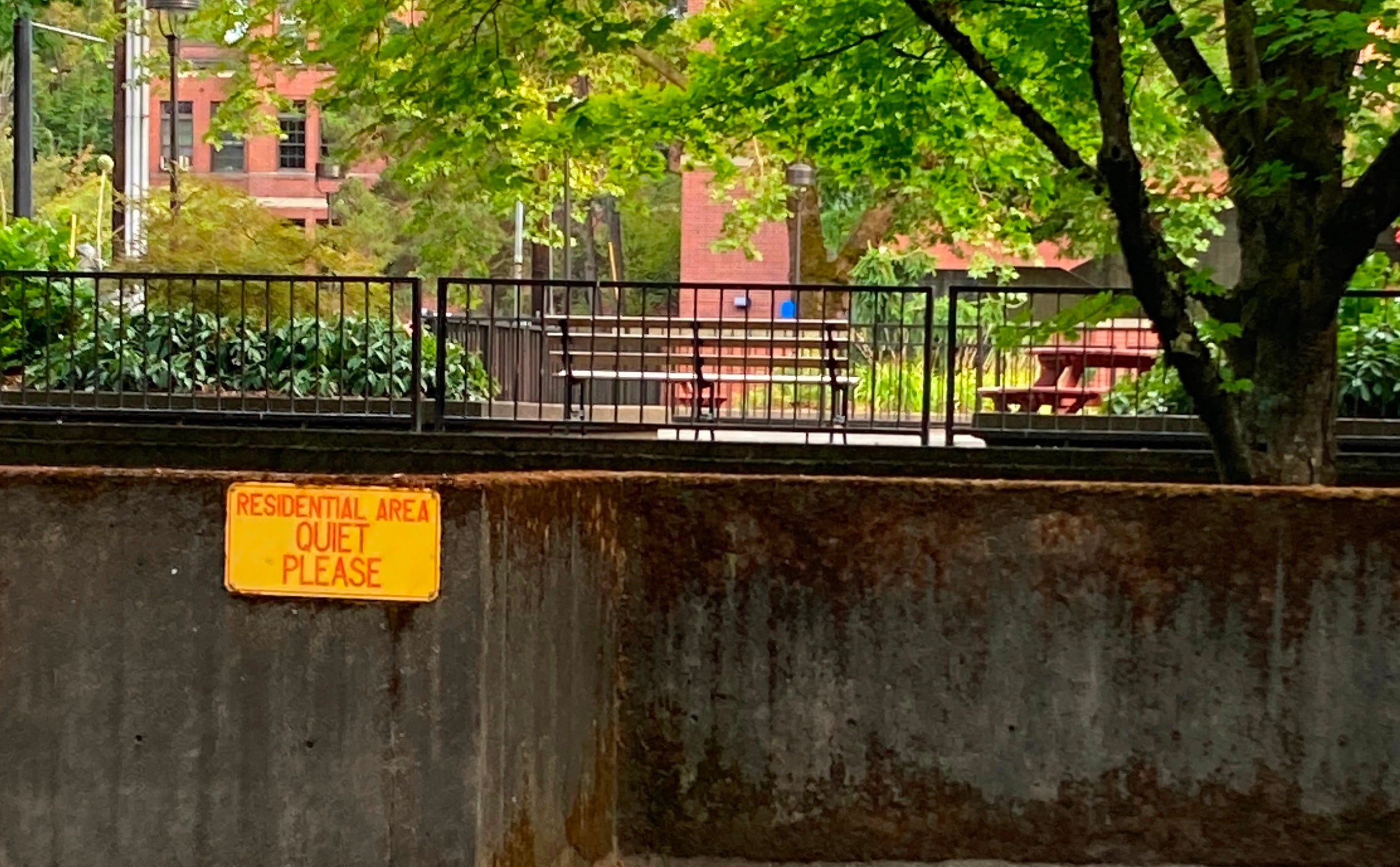
Quiet Please
After work and I shower, put on my shoes and head out for a short walk before dinner. Thin clouds, reflect the pinks and oranges of sunset behind the hills. I carry mail I’ve been forgetting to send, including a few letters, a bill, and a postcard to someone who works across town. I am 48 and I still send fan mail.
• • • • •
Saturday, after work and feeling a bit grumpy, I drove to the record store that reminds me of home1. Through the back is a storage room with low ceilings and warm yellow lights. Record players, well, turntables more accurately, are stacked on receivers and tape players and speakers. The piles are stable, an archeological stratification of what sells soonest. There are no sections or discernible groupings, yet it does not read as chaos. A white haired man with wrinkle-free eyes and a pale t shirt welcomes me and offers to decode the system. His age is as hard to guess as how to find the most affordable turntable.
After years of borrowing my parters’ record players, I am buying my own. Happy birthday to me.2 My guide shows me a two similar models, then a more expensive model, listed as is $225 or “$222 if you want to be cute about it.”
I am embarrassed that I cannot afford anything but the one missing a cover, priced $10 less than what I have. I might find a free or cheaper one at a thrift store but this one has been repaired, cared for, now needs only a home, and a cover. The owner shows me how to balance the arm, explains the mechanics of the anti-skid lever. He is neither impatient nor condescending. A man fills water jugs at the sink and loads them into his truck. In the back, someone adjusts motors and wires. I pay for my turntable, and drive home.
That night, listening to the record I also bought for myself3, I write a postcard to the man who sold me the turntable. I am getting older and now second guess these gestures: thank you cards, talking to strangers, and letters to people who have been kind without knowing how badly I needed kindness.
Years ago, when unsolicited mail and stopping by unannounced seems neighborly rather than sociopathic, I wrote a letter to my favorite zine writer4. He recognized the loneliness, the reaching without expectation, the casting a line to see if we had something in common. He wrote about it in a later issue, which still sits on my bookshelf, a story about my own awkward attempts at connecting, forever printed in someone else’s handwriting.
when unsolicited mail and stopping by unannounced seems neighborly rather than sociopathic…
Tonight, I walk to the mail box, deciding to mail the postcard because, at worst, everyone at the record store will read it and laugh at my earnestness.
I can live with that.
If I return to the shop, it will be to buy records that are my favorites: nostalgic, special to me, regardless of artistic merit. My musical tastes may be laughable to serious folks who work in record stores, so who cares if they also know I send thank you postcards.
Crossing the main street near my apartment, a man has paused in the crosswalk, in the center of the street, holding a bicycle loosely, as if casually stopped in time. One car waits patiently.
As I pass, I ask, “Are you okay?”
His eyes don’t shift, but he replies, “No. Never. I am strange.”
“Can we move across the street? Out of the way?” I nudge back across the street and he walks with me to the sidewalk.
“You must be normal,” he assesses.
I shrug. His speech fuzzes at the edges but he is not confrontational, and leaning languidly against his bike. He looks past me and saying, “I just wanted them to wait for a second. To pause for one moment longer than seemed comfortable, so they would know it is okay to stop. There is enough time to slow down.”
I thank him, almost regret coercing him to move on. He is not wrong. He shakes my hand before I go, and says again, “ I am strange, that is all.”
Without thinking, I respond, “ I am sure you are so much more than that.”
• • • • •
Sunday, I woke with a migraine. Medicine banished it after a few hours of sleep, but I woke restless and groggy. I walked to the bar with a book, deciding en route it was too late in the afternoon for coffee. I ordered what has become my usual, a drink that is almost, but not quite, from another time and place5, the man behind me asked the bartender “What is that? Would I like that?”
The bartender garnished my drink with lime and without looking at him replied, “No, Conrad. You don’t drink liquor.” Conrad did not argue. I carried my drink to an outside table, sipping and regretting the choice. It was delicious but strong. I opened my book, read a few pages, took a sip of from the tall glass. Soon I was alternating one page of reading with two minutes of staring ahead. Everything felt slightly off. I needed a way out of this maze of inner contradictions: I wanted to be alone, but I was lonely. It was too early for drinking too late for coffee. I wanted to curl up and read but couldn’t focus.
Then I remembered.
It has been 106 years since Travis died.
Soon, I’ll have known him dead longer than alive.
• • • • •
Last week an old friend visited. He lives in New Orleans now but we met in the pacific northwest, and I blame for our nostalgia. We talked about the compression of time, about the things we did when we were younger, the relationships and incidents that formed us. The big events seem to impossibly co-exist in a short window of time, all piled on top of one another. Could we really have done all that in one summer? As we age away from those formative moments, time compresses exponentially. I have lived in Portland for five years and it is a blink, no longer than my last summer in Seattle in 2002.
• • • • •
When I moved to Portland , I mailed all my cassettes ahead via media mail, ostensibly to save room in the truck. For years my choices have been like this: a small erratic step, shaving off a facet of at problem at hand instead of addressing the issue. I had too much to move to Portland, too much baggage. I mailed the cassettes and they never arrived. At the time I shrugged the loss. It was March 2020 and a box of missing cassettes was impossible to trace or declare a priority. Sure, there were mix tapes from high school, voices of friends long gone, and albums dubbed by Travis, his shaky handwriting in the liner notes.
Also under the guise of saving space, I had sold some records and gave a rare 7” to an acquaintance. I listened to that record over and over the summer I turned 21, alone in a one bedroom apartment in New Hampshire, a college town emptied for the summer. I worked, biked home, listened to this single song and wrote. The acquaintance later found another copy and kept both. I still have memories.
Records and tapes are just chunks of platstic.
I bought a record player in the hopes of bringing myself a little more into the world, away from headphones, and TV shows looped endlessly for distraction. To listen to a record, you cannot be passive. The record will need to be flipped over, the arm returned to the starting point, no automatically endless queue of related songs playing mindlessly.
• • • • • •
Friday, at work cleaning another a house, I selected a Paul Baribeau album from my “recently added” list. I usually stick to audiobooks, engaging while I monotonously scrub, vacuum, wipe. Paul Baribeau’s name had fallen into the soft fold of memory, partially covered for months. I attempted to unearth it, searching the internet for “earnest folk punk” with too many wrong results. Paul had been Travis’ roommate, briefly, taking the spare bedroom in Travis’s small house in Florida. That room became a temporary home for a number of friends, moving in and out of Gainesville. I considered it a back up plan, a refuge if New Orleans flooded again. I shared this with him once, in a letter, and he revealed that he also hoped one day I would stay longer in Gainesville, teach him to set type for record covers. Instead, I went to school and he got married. He sent a letter about Paul, all sweet, with a cassette copy of Paul’s first album, now lost in the mail with the other tapes.
A friend recently suggested that perhaps we have outgrown earnestness in music.. We were talking about a show I enjoyed but a mutual friend had found awful and left partway through. The earnestness we embraced when we were younger became a trope, commodified and insincere. I, however, fall for it every time. I trust a warm smile, I scream-sing awkward lyrics, cry in spite of obvious emotional manipulation. I let my heart break anytime it will, because I also spent so many years with a wet blanket over my emotions, dulling them to a socially acceptable level.
And my heart broke on the night that you left
And there are a few pieces that I still haven't found
—Paul Baribeau
I once played a show with Paul Baribeau, in the suburbs of DC. I remember punk house’s bathroom that smelled so strongly of urine from the water-saving choice of not flushing. I gagged every time I peed and flushed, against the wishes of the 400 roommates. I don’t remember how I got there, who I was touring with, or how my set went, but I remember Paul in the living room singing about depression and fucked-up families and love as exposed as a peeled orange. Earnest.
The album started through my headphones, and every lyric rushed back. This is what my aging brain recalls, details but not headings or titles. I can sing you any song I knew in middle school but not my friends’ names. I cried while I scrubbed, wanting to send Travis a postcard about this scene, sobbing at work, again 7.
Travis died in 2015 and I still want to send him postcards about small kindnesses, questions I hoped he could answer, and bare moments of awkward emotion. I sometimes reach for a pen, even write out the question, but stop at the line for an address, leaving it blank.
• • • • •
Still without an audiobook at work, today I started with podcasts. My favorite is sometimes about nothing8 but also about queer culture, humor, friends, food. The perfect soundtrack for a few hours of cleaning. Today the hosts talked about Andrea Gibson’s passing, a personal story as one of the hosts was with them when they died, invited to say goodbye. Without sharing all the details, they talked about the gift of the opportunity to choose who surrounds us when we go. I thought of Travis, the details of his death mostly unknown to me, a suicide. How he must’ve been alone, and how gruesome it would’ve been if he wasn’t. I cried while scrubbing, again, a different shower, thinking I need to find an light-hearted audiobook.
I am not really selling myself as a housecleaner. I consider it a side job, while I am really an artists and and teacher and a writer. I think Travis would appreciate that distinction.
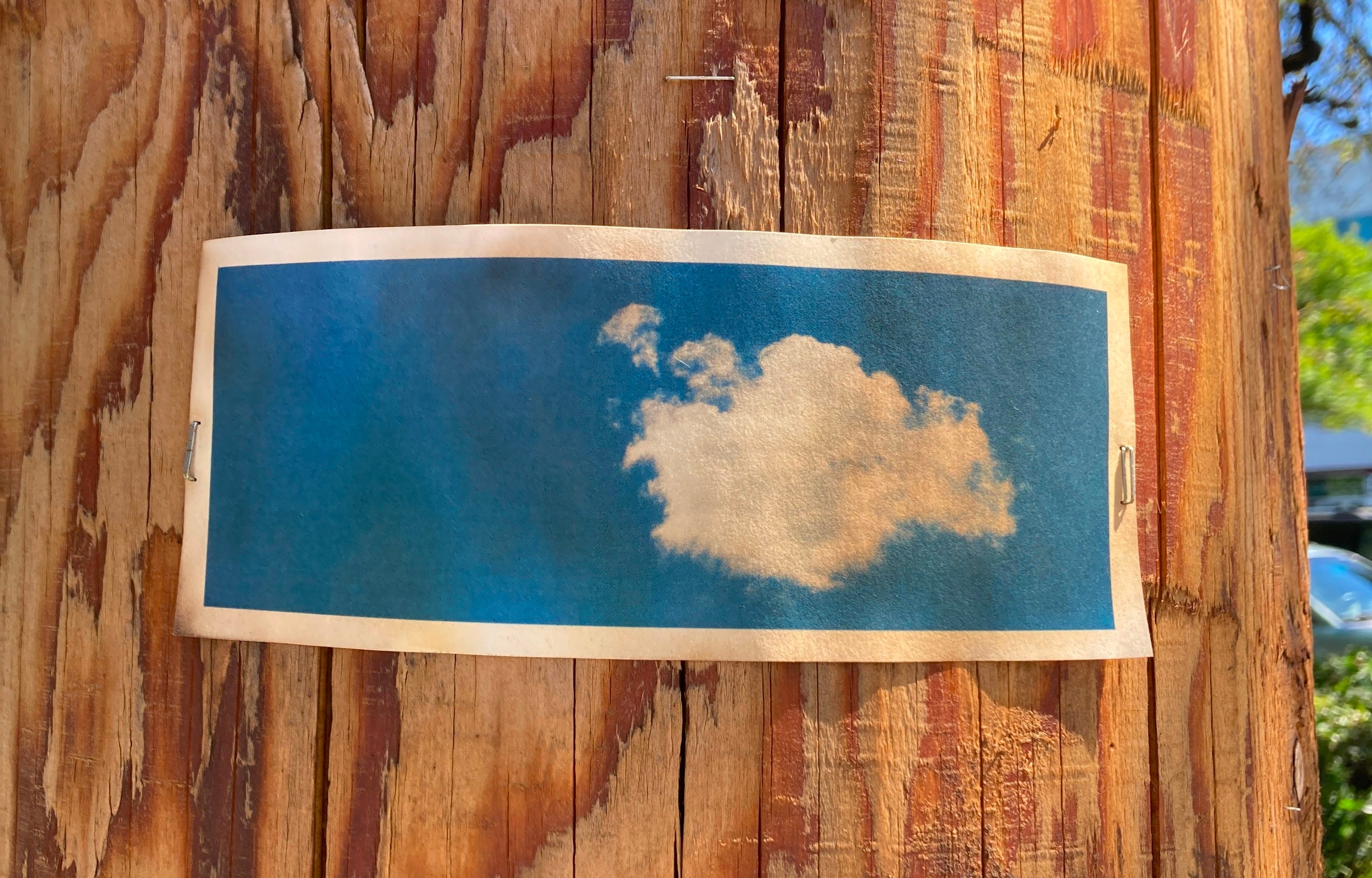
• • • • •
It might rain tonight. It’s been weeks. When I lived in California, it didn’t rain for months. The first mention of a possibility of rain and I stayed up all night, watching out the window like they forecasted snow, or the return of a dead friend. In Portland, the summers are surprisingly sunny and warm, perfect for river swimming. But I’m not build for the marathon of extended day light hours, the frantic need to socialize before the tilt of the earth puts us back in shadow. I like the dark.
• • • • •
I read at bars because I like the pretense for socializing, while wanting to be alone. I was sad about my friend, and unable to shake myself out of a rut. I felt stuck in a thought pattern I couldn’t climb out of so I surrendered. I gave into the afternoon and had another drink. I know, there is an awfulness about drinking when you are sad about your friend who died of depression and alcoholism. Staring across the street, thinking that to open myself to the most joyous parts of life I would also have to open to the saddest, when my best friend appeared in the crosswalk. She was heading to the store for marshmallows after a glass of wine and reading and feeling grouchy and restless. We decided to move to a different bar with food, together .
I brought my glass inside, passing the man who had been behind me at the bar. I stopped next to him, a little tipsy. “It was good.” I said, “the drink. Herby and a little sweet.”
He shook his head, “the bartender was right, I don’t drink liquor. It makes me depressed.” At the table in front of him, there were piles of art supplies, neatly in bins, sorted, and a binder of paper. “Do you collage?” I asked.
He told me about collaging with a friends through the mail during the pandemic, and now, finding places that would let him work inside, like this bar. I remembered my friend waiting for me outside. He handed me a few postcards and got back to work.
We went onto the bar with the inexplicable chick pea tater tots . We drank spritzes and water, laughed about old times and dead friends, and how to be human. Conventional wisdom says the way out is through but no one tells you that the first step is surrendering to the path.
• • • • •
When Travis died, I printed postcards with his handwriting, from a letter he sent me: May we stay in touch and live many lives. I shared them with strangers and his friends. It is a good wish, to keep the connection with the people you love as you move through the world, destroying and rebuilding, being broken apart and rebuilding. Living many lives. Not skating by unnoticed, not flattening your heart under covers. Living.
I hope that man with the bike is alright. If he is thinking of me at all, he is probably hoping I am alright, that I need to slow down. Speak softly. Listen. Just listen. He’s trying to tell me something.
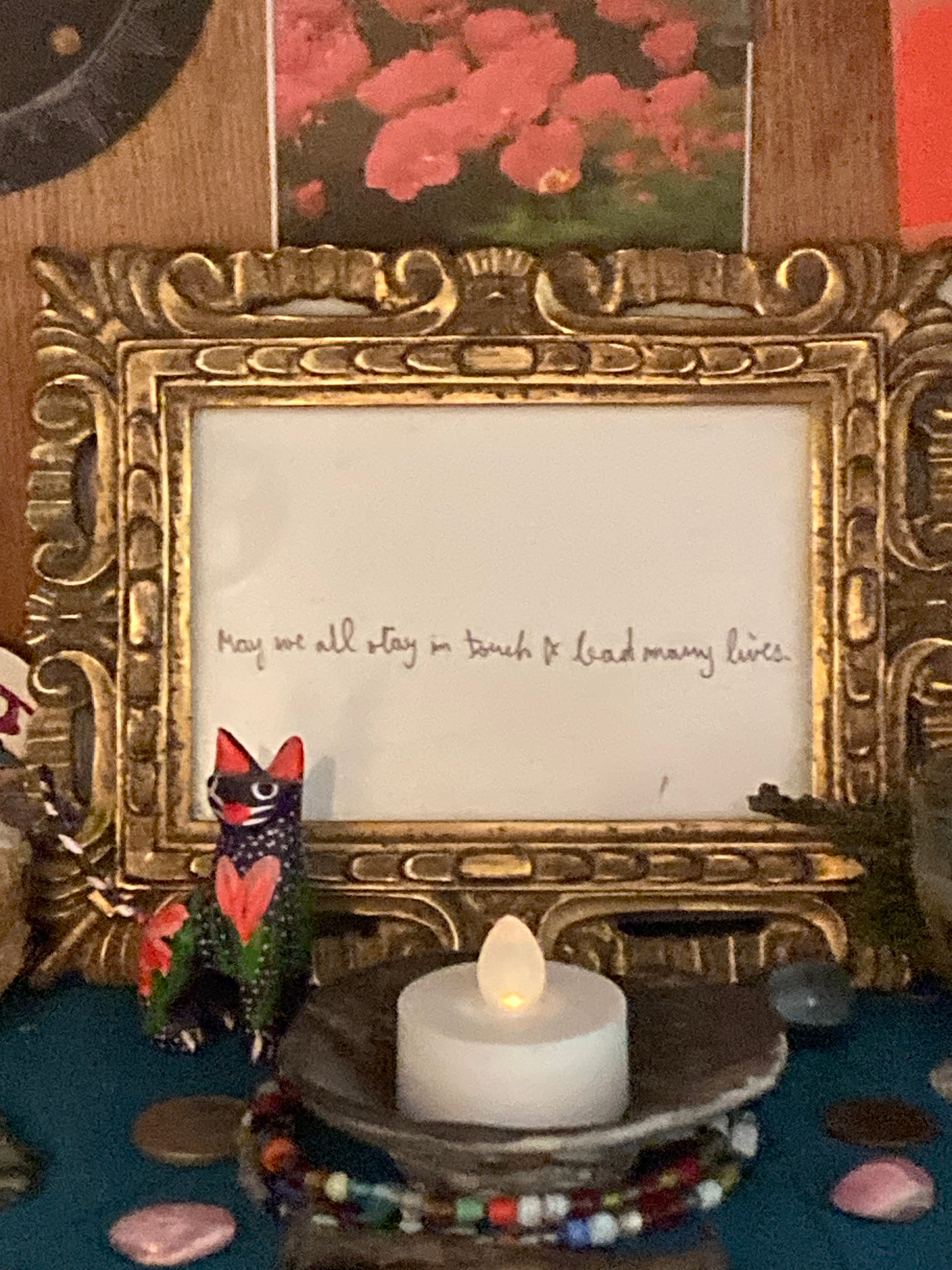
Domino Sound, New Orleans
You thought I wouldn’t mention it again. Have you read fellow Leo Ali Leibgott’s substack about birthdays?
Angie MacMahon, Light Dark Light Again, obviously
Bill Brown, dream whip, have you read his substack about moving to France?
A slick shoes from Pal’s. mint, cucumber, bubbles, elderflower and gin. In a tall glass.
I did the math wrong on the first version of this, headachy and confused.
NOT THE FIRST OR LAST TIME
I am always here for the long, sad essays because they are so much about all the different ways we love and are loved.
I love this piece. Wanted to hear more.